
Reviving Uganda’s Fish Export Sector: ELGSU & Industry Leaders Unite to Tackle Illegalities, Boost Value Addition & Expand Global Markets
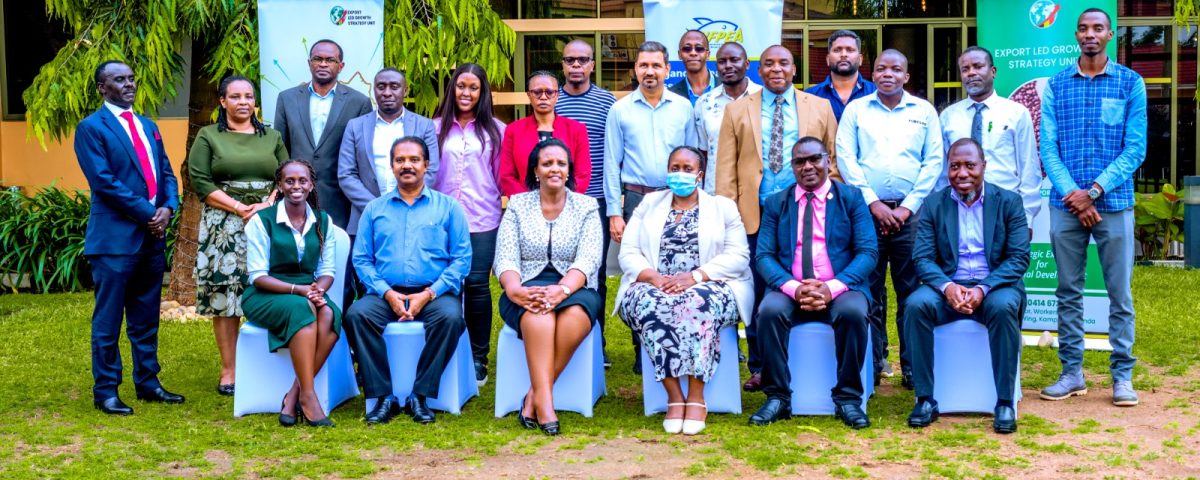
On 16th December 2025, key leaders from Uganda’s fisheries export ecosystem convened at Hotel Africana for a high-level CEOs’ Breakfast Meeting between the Uganda Fish Processors and Exporters Association (UFPEA) and the Ministry of Trade, Industry and Cooperatives (MTIC), through the Export-Led Growth Strategy Unit (ELGSU).
The engagement, held under the theme “Enhancing Uganda’s Export Competitiveness: Addressing Barriers and Leveraging Opportunities in International Trade,” marked a pivotal moment in the ongoing effort to restore growth, sustainability and global competitiveness in Uganda’s fish export sector.
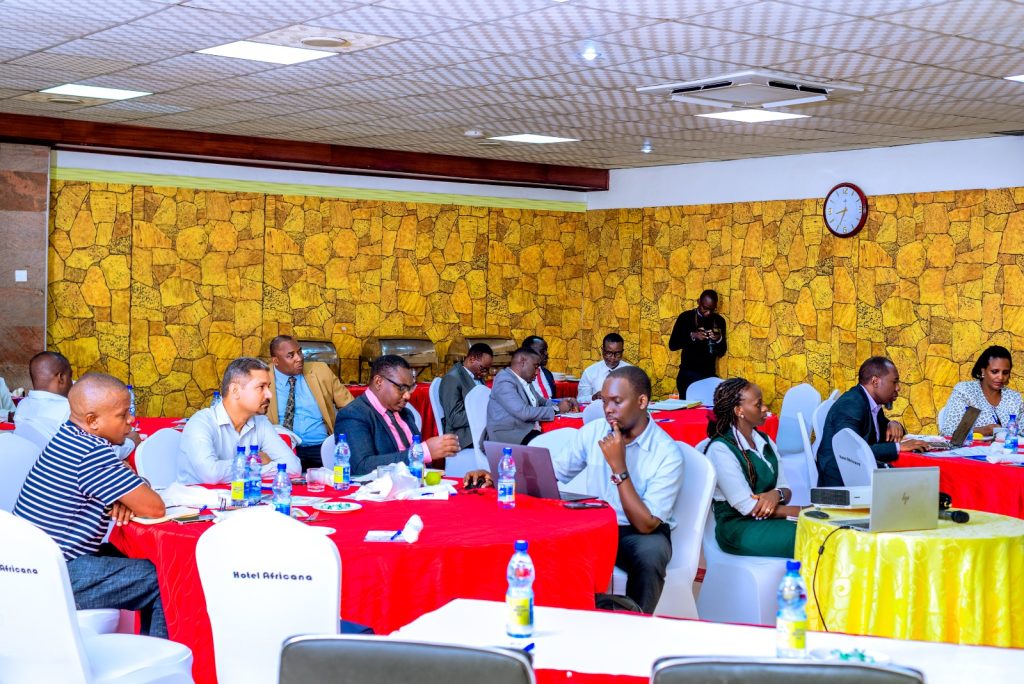
The meeting brought together senior government officials, private sector leaders and development stakeholders in a candid and solution-oriented dialogue focused on reversing the sector’s recent decline.
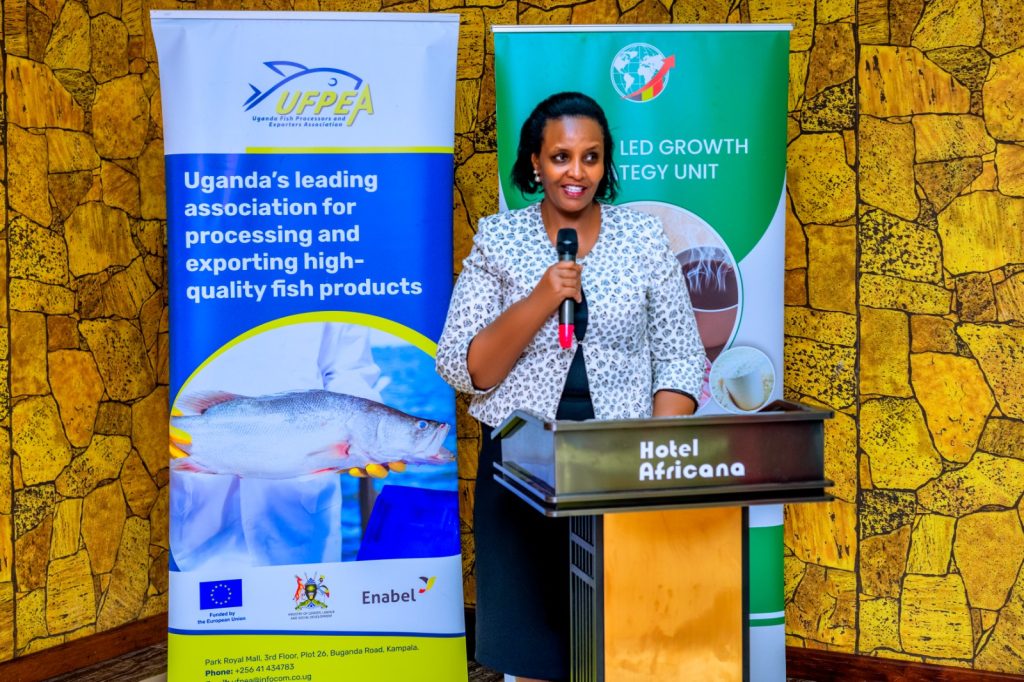
In her opening remarks, Senior Presidential Advisor ELGSU & Trade, Mrs. Susan Muhwezi, underscored the strategic importance of fisheries within Uganda’s broader economic transformation agenda. She emphasized that exports remain central to achieving the country’s ambitious targets under the National Development Plan IV and the Tenfold Growth Strategy, which aim to increase export contribution to GDP from 12.8% to 19.8% by 2030, and further to 50% by 2040.
Uganda’s fisheries sub-sector continues to play a vital role in the economy, contributing approximately 2.6% to national GDP and 12% to agricultural GDP, while supporting the livelihoods of an estimated 1.3 million Ugandans.
The Nile Perch value chain, in particular, remains a cornerstone of the industry, with UFPEA members exporting a range of high-value products including chilled and frozen fillets, fish steaks and fish maws, an increasingly lucrative export commodity.
In 2024 alone, the sector generated USD 58.7 million in export earnings and UGX 6.6 billion in government revenue through fish levies, with over 13 million kilograms of fish processed between January and October.
Despite this contribution, the sector is grappling with severe structural and operational challenges that threaten its sustainability and growth. Export volumes declined sharply from 28,861 tonnes in 2023 to approximately 20,818 tonnes in 2024, while export earnings fell by nearly 22%, from UGX 514.5 billion to UGX 395.7 billion. Even more concerning is the drastic under utilization of processing capacity, with factories operating at as low as 15% due to insufficient supply of raw materials.
At the heart of this crisis lies the persistent problem of Illegal, Unreported and Unregulated (IUU) fishing. Stakeholders revealed that illegal fishing practices, including the use of destructive gear, smuggling of juvenile Nile Perch and illicit fish gutting, are costing the country an estimated USD 1.4 to 1.5 billion annually.
Specifically, over 98,000 tonnes of juvenile Nile Perch are reportedly smuggled each year, primarily across the Mpondwe border into the Democratic Republic of Congo—resulting in an estimated annual loss of USD 718.3 million.
Additionally, illicit fish gutting and fish maw smuggling account for a further USD 121.7 million in losses annually. These practices not only deplete fish stocks but also undermine traceability, distort market supply and erode Uganda’s credibility in premium export markets such as the European Union.
Participants called for urgent and coordinated enforcement measures to curb these illegalities. Among the key recommendations was the strengthening and formalization of Beach Management Units (BMUs), which are critical in regulating fishing activities at landing sites. Stakeholders also emphasized the need to tighten controls at key border points such as Mpondwe, halt the importation and use of illegal fishing gear and enhance surveillance across Uganda’s water bodies.
The meeting also highlighted the need to invest in sustainable aquaculture as a long-term solution to raw material shortages. With aquaculture currently contributing approximately 130,000 tonnes out of Uganda’s total annual fish production of 658,000 metric tonnes, there is significant untapped potential to scale up fish farming and reduce pressure on natural water bodies. Supporting aquaculture development through financing, technical assistance and policy incentives was identified as a critical priority.
Market access and trade policy constraints also emerged as major bottlenecks. Exporters expressed concern over high tariffs in certain markets, the complexity and cost of acquiring international certifications and regulatory barriers that limit the export of farmed tilapia to the European Union. There were strong calls for MTIC and ELGSU to expedite negotiations and approvals that would enable access to new and existing markets. In particular, stakeholders advocated for the pursuit of Free Trade Agreements with countries such as India and Russia, as well as deeper engagement with emerging markets in Asia and the Middle East.
The issue of taxation, especially on fish maws, was also raised as a deterrent to value addition and export growth. Participants urged the government to review and rationalize tax policies to support competitiveness and incentivize formal trade channels.
To ensure sustained collaboration and accountability, the meeting resolved to establish a joint working group comprising representatives from government and the fish export industry. This platform will be tasked with developing and implementing a comprehensive roadmap to address the sector’s challenges, monitor progress and align interventions across agencies.
Stakeholders noted that global demand for Nile Perch remains strong, presenting a significant opportunity for Uganda to reclaim and expand its market share. With the species capable of growing up to 200 kilograms and maturing rapidly, there is potential to scale production and meet international demand, provided that sustainability and compliance standards are upheld.
The roadmap emerging from this engagement is expected to guide immediate and long-term interventions.