
ELGSU Convenes Strategic CEOs Forum to Unlock Uganda’s Floriculture Export Potential

Uganda’s floriculture industry, long recognized as one of the country’s top foreign exchange earners, took center stage at a high-level CEOs breakfast forum convened by the Export-Led Growth Strategy Unit (ELGSU) in collaboration with the Ministry of Trade, Industry and Cooperatives (MTIC).
Held at Hotel Africana, the engagement brought together key public and private sector players under the theme: “Enhancing Uganda’s Export Competitiveness: Addressing Barriers and Leveraging Opportunities in International Trade.”
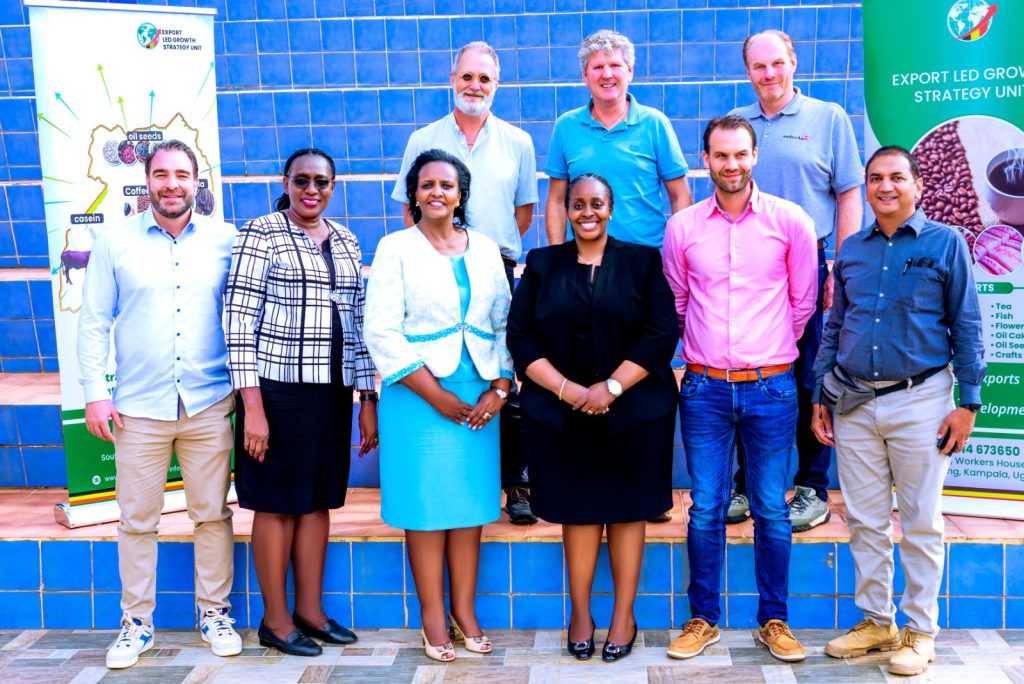
The meeting marked yet another step in government’s renewed push to strengthen export sectors through structured dialogue and coordinated interventions, particularly within industries that hold strong but underutilized global potential.
Uganda’s floriculture sector currently generates approximately USD 65 million in export revenue annually, placing it among the country’s top fifteen foreign exchange earners. Yet despite this contribution, stakeholders at the forum acknowledged that the sector has not fully realized its potential.
From its humble beginnings as a single two-hectare farm in 1992, the industry expanded to 20 farms by 2009, covering over 192 hectares. However, the number of active enterprises has since declined to about 13–14 operators, even as cultivated land has gradually expanded to approximately 300 hectares by 2024.
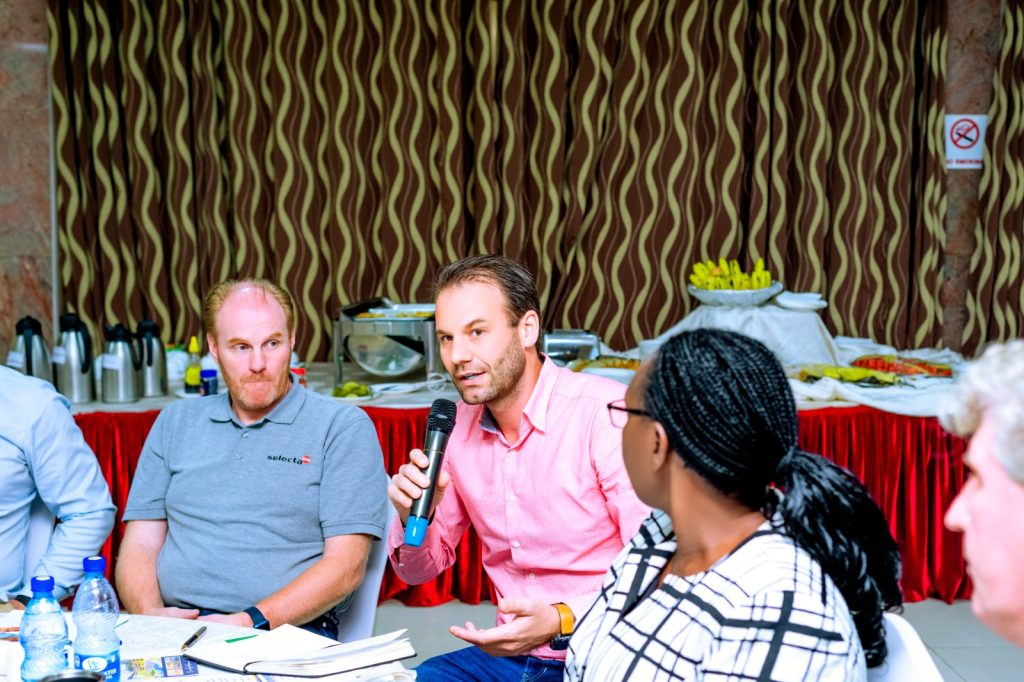
In her opening remarks, Senior Presidential Advisor on Trade and Head of ELGSU, Mrs. Susan Muhwezi, emphasized the centrality of exports to Uganda’s economic transformation agenda.
She reiterated national targets under the National Development Plan IV and the Tenfold Growth Strategy, which aim to increase the share of exports in GDP from 12.8% to 19.8% by the 2029/30 financial year and ultimately to 50% by 2039/40.
She noted that achieving these ambitions will require deliberate, coordinated efforts between government institutions and the private sector, particularly in identifying and addressing bottlenecks across key value chains.

“The floriculture sector remains a critical contributor to Uganda’s export portfolio,” she stated. “However, its full potential remains largely untapped. This forum provides us with an opportunity to jointly reflect, align, and take actionable steps toward strengthening its global competitiveness.”
The forum featured a detailed presentation by Ms. Esther Nekambi, Executive Director of the Uganda Flowers Exporters Association (UFEA), who outlined both the opportunities and constraints shaping the sector from a private sector perspective. This was followed by responses from MTIC and ELGSU and an open dialogue session that allowed industry leaders to candidly share their experiences.

A number of recurring challenges emerged from the discussions, chief among them being the high cost of production and logistics. Stakeholders highlighted rising freight charges, limited cargo space and the absence of a dedicated air courier for flower exports as critical constraints affecting Uganda’s competitiveness in international markets. Participants called for government support in negotiating subsidized logistics, including more affordable landing fees and cargo handling charges.
Regulatory constraints also featured, with exporters expressing concern over limited access to emerging markets due to stringent compliance requirements. The cost and complexity of meeting international standards particularly sanitary and phytosanitary requirements were cited as significant barriers, especially for smaller players within the value chain.
To address this, participants proposed the establishment of a dedicated floriculture standards unit within the Uganda National Bureau of Standards (UNBS), which would focus specifically on sector needs and streamline certification processes.
Another critical issue raised was the lack of structured consultation between government and the private sector during policy formulation. Industry players emphasized that policies affecting exports are often developed without sufficient input from those directly involved in production and trade, leading to gaps in implementation and unintended constraints.
Access to international markets was also linked to the high cost of participating in global expos and trade fairs. While demand for Ugandan flowers remains strong, exporters noted that visibility in international markets is heavily dependent on participation in such platforms yet the financial burden remains prohibitive for many firms.
In response, government officials reaffirmed their commitment to supporting sector participation in upcoming global events, including the 2027 Horticulture Expo in Japan, which is expected to provide a significant platform for market expansion and brand positioning.

The forum also highlighted emerging opportunities within the sector. Uganda has positioned itself as a leader in the production of flower cuttings, a niche segment with strong demand in global markets. Additionally, the country’s favorable climate and growing expertise in floriculture present significant potential for expansion, particularly if supported by targeted investments and policy alignment.
The Uganda Free Zones and Export Promotions Authority (UFZEPA), represented by Senior Manager Mr. David Katungi, outlined ongoing efforts to support export-oriented industries through infrastructure development. He revealed that over 100 acres of land in Mubende are being prepared as a Special Economic Zone, complete with essential utilities such as power, water and road networks.
Exporters were invited to consider establishing operations within these zones, which offer strategic advantages including tax incentives and streamlined regulatory processes. UFZEPA also highlighted the availability of a cold storage facility in Entebbe, which could significantly enhance post-harvest handling and logistics for perishable exports such as flowers.
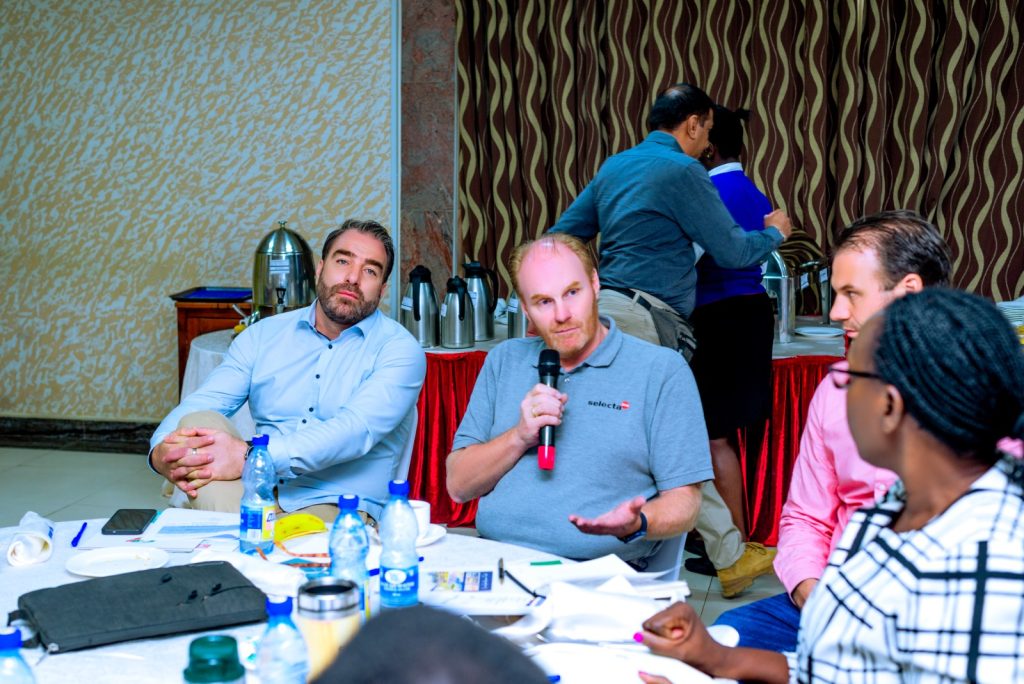
Currently, eight licensed floriculture enterprises are already operating within free zones
Employment and labor standards were also discussed, with the sector currently supporting approximately 10,000 workers. Stakeholders acknowledged the importance of promoting decent work conditions as part of broader efforts to ensure sustainability and compliance with international buyer requirements.
In light of the issues raised, participants emphasized the need for a structured and actionable roadmap to guide the sector’s growth. There was strong consensus on the immediate establishment of a technical committee comprising representatives from government and industry to spearhead this process.
The proposed roadmap is expected to address key areas including logistics, market access, standards compliance, policy alignment and investment promotion while also identifying quick-win interventions that can deliver immediate impact.
Permanent Secretary Ms. Lynette B. Bagonza reaffirmed government’s commitment to sustained engagement with the private sector through platforms such as the CEOs Roundtable.
She emphasized that continuous dialogue will be essential in ensuring that Uganda’s export strategies remain responsive and results-driven.

The meeting ultimately reinforced a shared vision that the sector holds immense potential to grow into a globally competitive industry